
I am a designer from Brazil with over 20 years of experience designing for digital media. I help companies make sense of complex systems and turn that understanding into better decisions.
20 years of experience

I design digital products for complex realities.

I look beyond the interface to understand the system behind it — the people, processes, technology and business that shape it.

My role is to make that complexity clearer — finding the connections, framing the right problems, and turning them into digital products that work in the real world.

Professional experience
Discover my professional trajectory.
Education

01

High School

1995 - 1997
Data Processing Technician
Fundação Mathias Machiline

02

College

1999 - 2006
Bachelor in Industrial Design
Universidade Federal do Amazonas

Jusley is a skilled and experienced designer who understands the importance of design as a utility and necessity. A great mentee, learns quickly and achieves results in a short time.

- Thiago Leite - Senior Product Designer, FullStack Labs

Excellent person, in addition to the expectations that accentuated professional quality and expertise in the project that together together.

- Daniel Silva - Service Designer and Ux/Ui
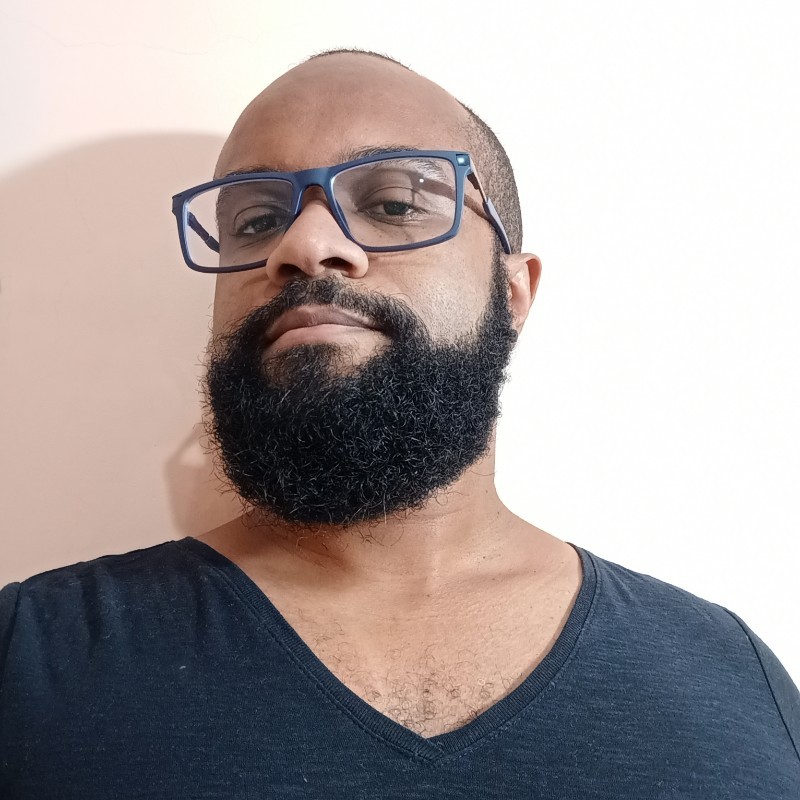
Jusley is an experienced, analytical and very qualified designer. His deliveries are well thought out, grounded and assertive. Working with him was a pleasure and at the same time learning.

- Marcus Ferreira - Design Coordinator | Product Designer | Mentor | Speaker


I don't look at products in isolation — I look at the systems around them. Understanding how those pieces connect is what lets me frame the right problem before I start designing.
People and systems

A product exists within a network of people — users, teams, partners and decision-makers. Their needs, incentives and relationships shape what the product becomes. I map those relationships before I map any screen.

Technology and data

Technology sets the real boundaries of a product — legacy systems, data quality, integrations nobody wants to touch. I design inside those limits, not around them, because that's usually where a product's hardest problems live.

Business and context

Every design decision carries a business consequence, whether anyone names it or not. I look at the goals, the operating reality and the pressure in the room, and use that to frame the problem before proposing a direction.

Career journey
How I got here.

01

Foundation

It started with industrial design and visual communication — learning to observe, structure and communicate an idea before worrying about the medium it would live in.

02

Digital

The web changed the questions I was asking. Communication became interaction, and I started thinking in terms of products people would navigate, not just look at.

03

Experience

Research and usability moved to the center of the work. The question stopped being just what to design, and became why — and for whom.

04

Product & Systems

The products got bigger — more stakeholders, more technology, more moving parts. I started seeing each one as a piece of a larger system, not a standalone screen.

05

Perspective

Today, my perspective has less to do with any single discipline and more with connecting design, technology, business and context — because that's what better decisions in complex products actually take.

How I work
None of that thinking matters until it turns into a decision. This is how I work.
Context first

Before I draw anything, I want to understand how things actually work today — who's involved, what depends on what, and why the current setup ended up broken in the first place.

Framing

A request usually points at a symptom, not the actual problem. My job is figuring out what's really being decided here, and turning that into a question the team can actually answer.

Working alongside

I stay close to product and engineering throughout the work, not just at the handoff. Decisions made together, with real constraints on the table, hold up better once they meet the system.

Learning loop

I'd rather test a rough version with real people than polish something unproven. What happens after launch matters just as much — I keep watching results and adjust the next decision from there.

To me, success isn't a polished screen — it's a decision that still holds once it leaves my hands and meets the business, the team, and the people using it.
Companies where I worked